Growth and performance
Livestock weight tracking guide: measure growth, feed efficiency, and farm performance
Learn what to record when weighing cattle, sheep, goats, pigs, and other livestock, how often to measure growth, and how Farmleo helps turn weights into useful decisions.
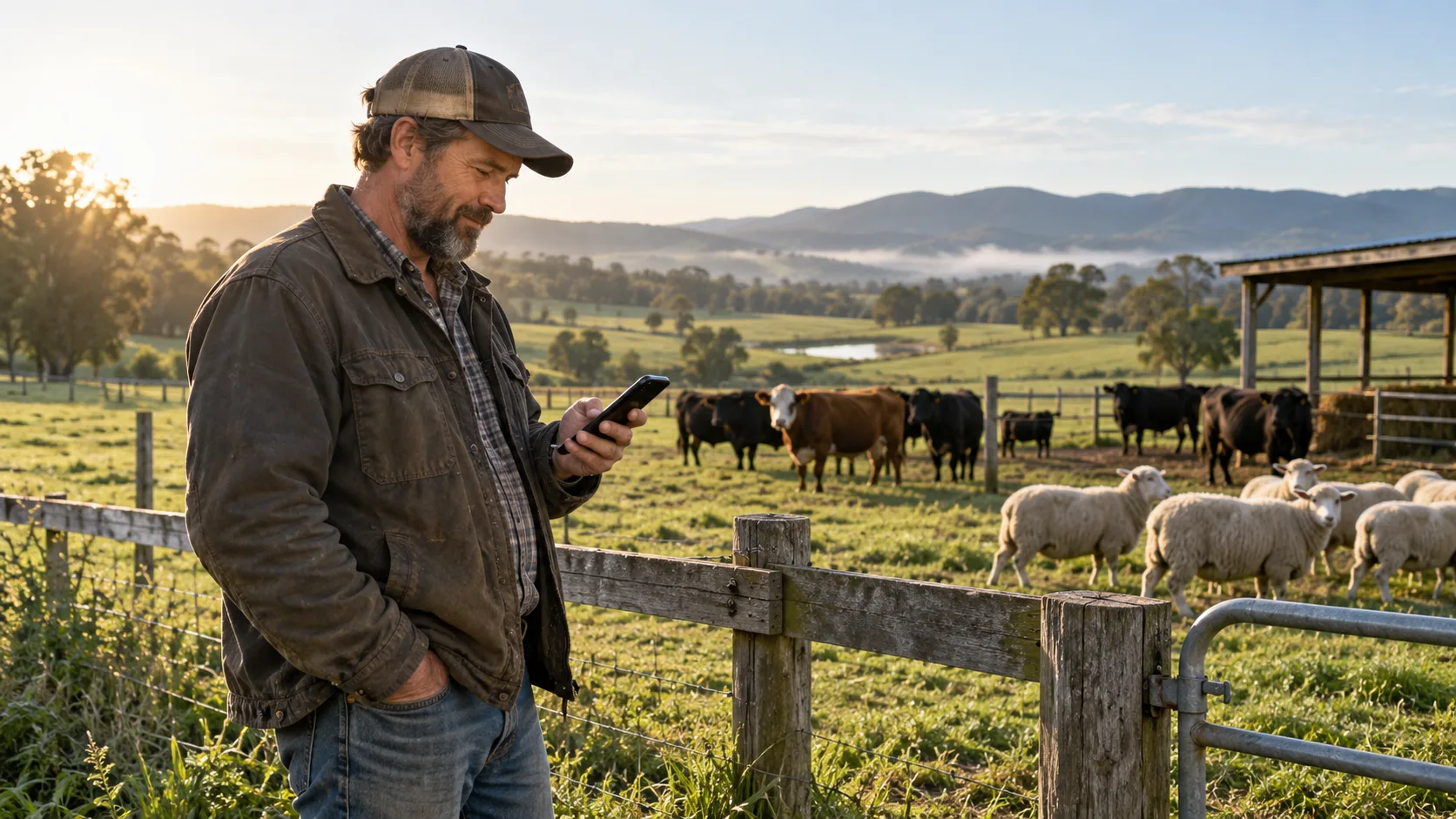
Weight records are most useful when they help you make a decision. A single weigh-in tells you where an animal is today; a consistent series of weights can show whether growth is on track, whether a group is responding to feed, and which animals need a closer look. That is why weight tracking belongs in the everyday livestock record—not in a separate spreadsheet that only gets opened at sale time.
This guide covers a practical weight-tracking system for cattle, sheep, goats, pigs, poultry, buffalo, and mixed farms. The right interval depends on species, age, production system, and equipment, but the basic method is the same: identify the animal or group, record the date and conditions, and compare the result with the decision you are trying to make.
What to record at every weigh-in
- Animal ID or group name, so the measurement can be found again.
- Date and approximate age or production stage.
- Live weight and weighing method or equipment used.
- Sex, breed or cross, and relevant management group.
- Feed change, illness, treatment, weather, or other context that could explain a change.
- The action the result suggests: continue, review, separate, adjust feed, or ask for advice.
How often should livestock be weighed?
Young animals and animals in a high-change period usually benefit from more frequent checks than mature maintenance groups. Weigh around planned decisions such as weaning, ration changes, sale preparation, breeding selection, or investigating poor performance. If you cannot weigh every animal, a consistent sample from each group can still reveal a trend—as long as you record which animals were sampled and keep the method consistent.
- Calves, lambs, kids, and piglets: use a schedule that supports weaning, health, and growth decisions.
- Growing cattle, sheep, goats, and pigs: compare weights across a repeatable interval and review average daily gain.
- Adult breeding animals: weigh when body condition, nutrition, or a health concern makes the information useful.
- Poultry: monitor representative flock samples and pair weights with feed and mortality records.
Calculate growth without overcomplicating it
Average daily gain is the simplest useful calculation: subtract the earlier weight from the later weight, then divide by the number of days between measurements. The number is only meaningful when the weighing method, animal selection, and time period are reasonably consistent. Use it as a prompt for review, not as a standalone verdict on animal or farm performance.
Compare animals within a sensible group. A young dairy calf, a mature suckler cow, and a finishing steer should not be judged against the same target. Breed, sex, age, stage, health, forage quality, and weather all affect the result. If a change is unexpected, check the animal record and speak with your vet or nutrition advisor before making a major intervention.
Use weight records alongside health and feed
A weight drop may be linked to illness, poor access to feed or water, parasite pressure, heat stress, or a recording error. A strong record system lets you review those signals together. The goal is not to replace observation; it is to give the observation a timeline that the whole team can understand.
A simple weekly review
- Review animals with no recent weight or an unexpected change.
- Compare average growth by group, species, and feed plan.
- Check whether health events or treatments overlap with the trend.
- Flag animals that need a closer physical assessment.
- Record the decision made so the next weigh-in has a clear purpose.
Ready to turn insight into action? Farmleo keeps your herd data organized so you know what to do next in every season.